When you want to scale a business, you often look to logic, data, and systems. Unfortunately, when it comes to content creation, many business owners abandon that analytical mindset and fall into a "messy," unpredictable world of noise. They start creeating random content that lacks intent, and therefore purpose.
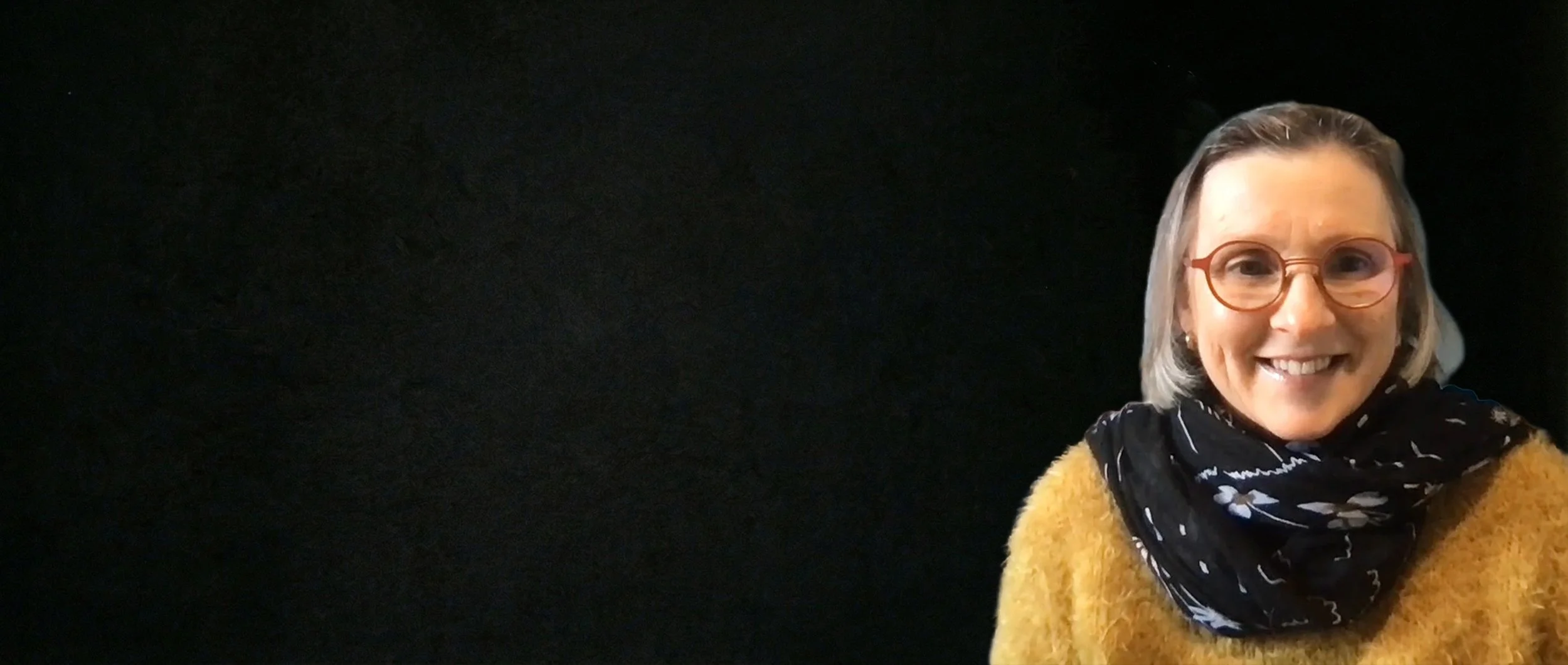
Because of thiss, I wanted to take the interview this week on Podcasting Momentum to talk with Nathalie Doremieux, founder of The Membership Lab. Ironically, it started with her background as a software engineer in Silicon Valley and how that shaped her unique approach to podcast lead generation. Her perspective is clear: if your podcast isn't humanizing your systems and driving measurable results, you are treating it like a hobby, not a business asset.
Why Voice and Video Accelerate the "Trust Factor"
One of the most significant shifts Nathalie made was moving from content writing to audio and video. While writing is a valuable skill, it often leaves too much room for interpretation. "You can read something and if you're in a bad mood, you're like, 'oh, she's attacking me,'" Nathalie notes.
In contrast, professional remote video podcast production allows your audience to feel your energy and the belief that you have in your message.
Energy Transfer: Listeners can hear if you actually believe in what you are talking about.
Natural Connection: Podcasting allows you to talk to your audience the same way you talk to people in real life, which attracts the specific clients you are meant to work with.
Accelerated Trust: Hearing a voice and seeing a face moves prospects through the "know, like, and trust" barrier much faster than text alone.
Podcasting is a Tool, Not a Strategy
A common mistake SMB owners make is viewing the act of podcasting itself as a marketing strategy. Nathalie is blunt on this point: "Podcasting is not a strategy. It's a tool".
Josh makes referent to all of the items in marketing like the tools in a toolbox. Any tool can be used as a hammer if you try hard enough, but not every tool can be pliers. To be effective, you must reverse engineer your buyer's journey.
Identify the Intent: Are you selling through high-ticket discovery calls?
Strategic Content: What does a prospect need to hear to trust you enough to take that specific next step?
Controlled Next Steps: Where does the podcast fit into your ideal client workflow?
The Power of "Asset Episodes" and Evergreen Content
Nathalie challenges the idea that a podcast episode has a one-week lifespan. Instead, she views episodes as evergreen assets that should work for your business for years.
She utilizes "Asset Episodes," which are specifically designed to show how you work and what your solution is. These episodes aren't just published and forgotten; they are integrated into your marketing systems:
CRM Integration: Send specific episodes to leads based on where they are in their journey.
Nurture Sequences: Include high-value, relatable episodes in your email sequences to provide regular value to existing leads.
Longevity: One of Nathalie’s clients found that a blog post based on a 2019 podcast remains one of the biggest drivers of website traffic today.
Effective podcast content repurposing services ensure these assets stay in front of the people who need to see them, regardless of when they were recorded.
Pushing Through "Pod Fade" with ROI-Focused Metrics
The statistics for new podcasters are daunting: 86% of shows struggle to get past episode 15. This is often because creators focus on the wrong metrics.
Nathalie points out that 50% of podcasts have 30 downloads or less. If you are chasing volume for the sake of ad revenue, those numbers are discouraging. However, if you are focused on high-ticket podcast lead generation, your perspective changes.
"I don't need three million downloads. I need three people that will write checks," Nathalie emphasizes. If you get 20 leads a week, five discovery calls, and two sales, your podcast is a massive success, regardless of the download count.
The "Shelve It or Do It" Rule
For business owners on the fence about starting, Nathalie offers a piece of advice that transcends podcasting: "Shelve it or do it".
Thinking about a project without executing it takes up valuable mental space. To move forward, she suggests treating the first few episodes as an experiment:
Commit to a Season: Plan 10 to 15 episodes with specific topics that showcase your unique point of view.
Focus on Your Zone of Genius: Don't let the technical side of remote video podcast production scare you off.
Accelerate with Expertise: Work with an expert to handle the tech so you can focus on your "unique brilliance".
Ready to Turn Your Insights into Assets?
At Pedal Stomper Productions, we help SMB owners move from procrastination to professional production. We provide the infrastructure for remote video podcast production and the strategy for podcast content repurposing services that build your brand's authority.
Stop letting your story sit on the shelf. Let’s build your scalable lead-generation engine together.